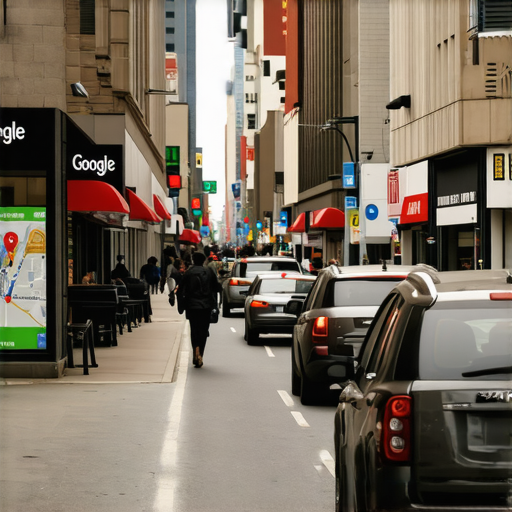

Last year, I watched my local rankings tumble. Despite pouring hours into my business, my Google Maps listing was invisible, buried under competitors who seemed to have cracked the code. It was frustrating—until I had a lightbulb moment. I realized that without a solid, updated local SEO strategy, I was fighting a losing battle.
Why Local SEO Will Make or Break Your Business in 2025
Let me be honest: the landscape of local search is more competitive than ever. According to BrightLocal, 78% of local mobile searches lead to an offline purchase (source: BrightLocal). This means if your Google Maps presence isn’t optimized, you’re leaving money on the table. But here’s the good news: updated strategies can turn your listing into a traffic magnet.
In this post, I’ll walk you through the exact steps I used to dominate Google Maps in 2025. From perfecting your business profile to leveraging new features, I’ll show you how to stand out in local searches. Trust me, the right checklist can transform your visibility—and your revenue.
Is it really worth all this effort?
Early on, I made the mistake of thinking a basic profile was enough. I ignored crucial elements like local citations and reviews. That oversight cost me potential customers. Now I know that a comprehensive, strategic approach isn’t just optional; it’s essential. If you’ve ever wondered whether investing in local SEO is worth it, I’ll tell you—absolutely. Because when done right, Google Maps becomes your best local salesperson.
Ready to get serious? Let’s dive into the proven strategies that will make your business stand out in 2025 and beyond. Whether you’re new or looking to refine your existing approach, these tactics will help you outrank competitors and attract more local customers.
Optimize Your Business Profile for Maximum Impact
Start by claiming and verifying your Google Business Profile through this comprehensive checklist. Ensure all information is accurate, complete, and consistent across all platforms. Use high-quality images and write a compelling description that highlights your unique selling points. This foundational step sets the stage for higher rankings and better user engagement.
Build a Powerhouse of Local Citations
Next, focus on local citations. List your business on reputable directories like Yelp, Bing Places, and industry-specific sites. Keep your NAP (Name, Address, Phone number) data uniform to boost trust and relevance. Use tools like Moz Local or BrightLocal to audit existing citations and identify gaps. Remember, consistency is key—discrepancies can hurt your rankings and confuse potential customers.
Harness Customer Reviews to Elevate Your Presence
Reviews are social proof that influence local rankings. Actively solicit feedback from satisfied customers via follow-up emails or in-person requests. Respond promptly and professionally to all reviews, especially negative ones, to show engagement and commitment. Positive reviews not only improve your visibility but also build trust with prospective clients. For more review strategies, check out this guide.
Leverage Local Keywords for Content and Metadata
Research relevant local keywords using tools like Google Keyword Planner. Incorporate these naturally into your website content, meta titles, descriptions, and service pages. For example, instead of generic terms, use localized phrases like “best pizza in Brooklyn” or “auto repair near Downtown.” This increases your chances of appearing in relevant local searches and improves your Google Maps ranking.
Utilize Google Posts and Local Features
Engage your audience by regularly posting updates, offers, and events through your Google Business Profile. Use rich media like images and videos to attract attention. Explore new features such as Q&A, booking buttons, or product listings, which can increase your visibility and user interaction. For step-by-step guidance, see this detailed plan.
Monitor Performance and Adjust Strategies Regularly
Keep track of your rankings, reviews, and website traffic using tools like Google Analytics and Search Console. Analyze what’s working and what’s not, then refine your approach accordingly. Regular audits help you stay ahead of competitors and adapt to algorithm updates. For detailed tracking methods, review this checklist.
Prioritize Mobile Optimization and Speed
Ensure your website is mobile-friendly and loads quickly, as most local searches happen on smartphones. Use Google’s Mobile-Friendly Test and PageSpeed Insights to identify issues. A seamless, fast experience keeps visitors engaged and reduces bounce rates, directly impacting your local rankings.
Many small business owners and marketers operate under common assumptions about local SEO that can actually hinder their progress. While it’s tempting to follow the crowd and implement popular tactics, digging a little deeper reveals nuances that can make or break your local search success. Let’s explore some of the most misunderstood aspects and what you should really be focusing on to dominate Google Maps in 2025.
Are reviews the only thing that matters for local rankings?
It’s a widespread belief that accumulating as many reviews as possible is the key to local SEO success. However, in my experience, quality and relevance outweigh sheer quantity. Google’s algorithm prioritizes review authenticity, relevance to your services, and consistent engagement. Fake or overly incentivized reviews can even backfire, leading to penalties or loss of trust. A nuanced approach involves actively managing reviews—responding professionally, encouraging honest feedback, and addressing negative reviews thoughtfully. This strategy builds genuine trust and signals to Google that your business is reputable and engaged. For a comprehensive review strategy, check out this guide.
And don’t forget, reviews are just one puzzle piece. Local citations, optimized profiles, and relevant content are equally important. Focusing solely on reviews can lead you astray from a balanced, holistic approach.
Beware the trap of over-optimization
One of the most common pitfalls is keyword stuffing or overly optimizing your Google Business Profile and website content. Many think more keywords mean higher rankings, but in reality, Google’s algorithms are sophisticated enough to detect unnatural keyword usage. This can result in penalties or a lower ranking if perceived as spammy. Instead, aim for natural, user-friendly language that incorporates local keywords seamlessly. For example, instead of awkwardly stuffing “best pizza Brooklyn” into every sentence, craft engaging descriptions that naturally include these terms. For advanced tips, explore this SEO guide.
Remember, Google rewards content that provides value and clarity, not just keyword density. Prioritize readability and relevance over aggressive keyword tactics.
What’s the real impact of NAP consistency?
Many people overlook the importance of maintaining consistent Name, Address, and Phone number (NAP) data across all directories. The common myth is that minor discrepancies won’t hurt, but in truth, inconsistencies can significantly undermine your local rankings. Google’s algorithm uses citation data to verify your business’s legitimacy and relevance. When NAP data varies, it creates confusion and diminishes trustworthiness in the eyes of search engines. This is a classic mistake that can easily be avoided by auditing your citations regularly. Tools like Moz Local or BrightLocal are invaluable for identifying and correcting inconsistencies. For detailed citation management, visit this resource.
In summary, understanding these nuanced aspects of local SEO helps you avoid common traps and implement strategies that truly move the needle. It’s not about a quick fix but about a comprehensive, authentic approach that builds long-term visibility. Have you ever fallen into this trap? Let me know in the comments.
Keep Your Local SEO Engine Running Smoothly
Maintaining your local SEO momentum requires more than just initial setup; it’s about consistent upkeep and leveraging the right tools. Over the years, I’ve found that a combination of automation, regular audits, and strategic updates keeps my Google Maps rankings stable and even climbing. Let me share the exact tools and methods I rely on to stay ahead in 2025.
How do I maintain my local SEO efforts over time?
First, I use this SEO guide as a blueprint for regular strategy reviews. It ensures my tactics stay aligned with the latest algorithm updates and local search trends. For ongoing monitoring, I utilize BrightLocal—a platform I personally trust because it provides comprehensive tracking of local rankings, citation consistency, and review management all in one place. Its automated reporting saves me hours each month and highlights any drops in visibility before they become critical.
In addition, I employ Google Search Console to keep an eye on website health, crawl errors, and keyword performance. This helps me identify and fix issues quickly, ensuring my site remains fast and accessible on mobile devices, which is vital for local rankings.
For citation consistency, I regularly run audits with Moz Local. This tool scans the web for discrepancies in your NAP data across directories and helps correct them before Google detects inconsistencies. Remember, even minor differences can hurt your rankings, so this proactive approach is crucial.
Finally, I schedule monthly review meetings to analyze review feedback. Responding professionally to reviews and encouraging new ones keeps my profile active and signals engagement to Google. This routine check-in ensures I stay on top of reputation management and local signals.
Looking ahead, I believe automation will become even more integral. Tools that integrate review solicitation, citation management, and performance tracking into a single dashboard will be standard. Staying adaptable and leveraging these tools for regular maintenance will be your secret weapon for long-term success.
Don’t forget to revisit your business profile periodically, updating photos, services, and posts. Fresh content signals activity and relevance, boosting your rankings.

As a final tip, I recommend trying out this comprehensive checklist to audit your current setup. Regularly scheduled audits with a clear process help you catch issues early and keep your local SEO efforts sustainable. Consistency is key—make maintenance a habit, and your rankings will thank you.
Throughout my journey, I learned that the most overlooked aspect of local SEO is the power of authentic engagement. One lightbulb moment was realizing that responding genuinely to reviews and updating your profile regularly can turn your Google Maps listing into a vibrant community hub, not just a static listing. This personal touch creates a feedback loop that Google loves, boosting your visibility naturally.
Another lesson I uncovered is that local citations aren’t just about listing your business; they’re about strategic placement. I found that focusing on niche directories relevant to my industry made a significant difference, often outperforming broader platforms. It’s about quality over quantity, and knowing where your ideal customers look for your services.
Finally, I discovered that mobile speed and local keywords are like the fuel and steering wheel of your local SEO engine. Prioritizing these ensures your business isn’t just found but also chosen, especially when consumers are ready to buy on the go.
My Essential Toolkit for Local Search Mastery
For anyone serious about local SEO, I recommend tools like this comprehensive SEO guide, which provides a step-by-step approach tailored for 2025. BrightLocal remains my top choice for tracking rankings and managing reviews because of its all-in-one dashboard that saves time and provides clarity. Moz Local is invaluable for citation audits, helping me keep NAP data clean and consistent across directories. Lastly, this action plan offers practical steps to refine your Google Maps strategy regularly, ensuring long-term success.
Seize the Moment and Elevate Your Local Presence
Remember, the landscape of local SEO is constantly evolving, but your commitment to authentic engagement and strategic optimization will always stand out. Take action today—your future customers are searching for your services now, and the better positioned you are, the faster you’ll grow. Don’t wait for the perfect moment; start implementing these tactics and watch your Google Maps rankings soar in 2025 and beyond.
What’s one local SEO tactic you’ve been hesitant to try? Share your thoughts below—I’d love to hear your experiences!