I remember the exact moment I realized my Google Maps rankings were plummeting—there I was, chatting with a local client, and suddenly, I couldn’t even find their business on the map. It hit me like a ton of bricks. Despite working hard on their website and content, their visibility was slipping away—and I had no idea why. That lightbulb moment pushed me into digging deep into local SEO strategies, especially for 2025, to get back on track. If you’ve ever faced that frustrating situation, you’re not alone. Many entrepreneurs and marketers stumble because they overlook crucial elements in their local SEO game plan, especially with Google’s ever-evolving algorithms.
Why Your Business’s Visibility on Google Maps Matters More Than Ever
In today’s hyper-competitive local market, simply having a website isn’t enough. Consumers rely heavily on Google Maps and local search when hunting for services nearby. According to BrightLocal, 78% of local mobile searches result in offline purchases, emphasizing the importance of optimizing your presence for local visibility. Yet, many businesses miss the mark, making common mistakes that sabotage their rankings. Early in my journey, I made a costly error—ignoring consistent update and optimization of my Google Business Profile—which cost me leads and credibility. This mistake underscored the necessity of a comprehensive local SEO checklist that keeps up with 2025’s standards.
Are you confident that your local SEO efforts are fully optimized for today’s demanding algorithms? If not, don’t worry—there’s a clear, actionable plan to turn things around. We’ll examine the core components of a winning local SEO strategy, focusing on the latest practices to dominate Google Maps rankings in 2025.
Ready to discover how to effortlessly boost your local visibility and attract more customers? Let’s dive into a proven checklist that will transform your local SEO game.
Optimize Your Google Business Profile for Maximum Impact
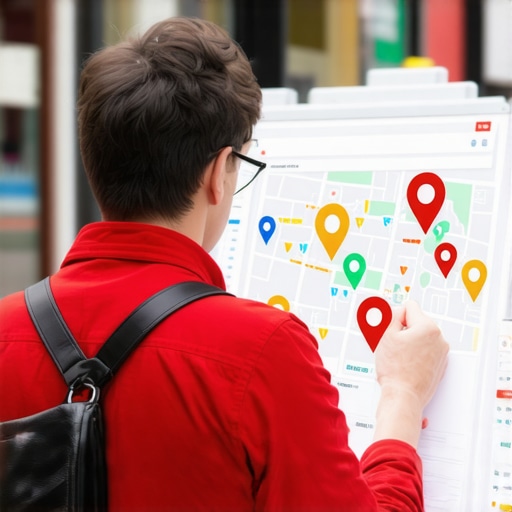
Start by claiming and verifying your Google Business Profile if you haven’t already. After verification, fill out every available field meticulously—business name, address, phone, hours, and categories. Use consistent NAP (Name, Address, Phone) info across all platforms to avoid confusion. Regularly upload high-quality, relevant photos to showcase your offerings. Remember, a complete profile signals trustworthiness to Google, boosting your local ranking. Check out the essential business profile checklist to ensure nothing is overlooked.
#IMAGE_PLACEHOLDER_B#
Implement a Bulletproof Local Keyword Strategy
Identify keywords your local audience uses—think beyond generic terms. Incorporate location-specific keywords naturally into your website content, meta descriptions, and titles. Use tools like Google’s Keyword Planner or SEMrush to uncover high-intent local search terms. Embedding these keywords into your Google My Business posts and Q&A section further signals relevance. This targeted approach helps Google understand exactly what you offer and whom you serve, leading to improved rankings. For detailed tactics, review the SEO guide 2025.In the realm of local SEO, many practitioners are misled by myths that can hamper their progress in 2025. One widespread misconception is that optimizing solely for Google Maps rankings guarantees business success. In reality, focusing only on local pack rankings neglects the importance of comprehensive profile optimization and content freshness, which are equally critical to maintain visibility. According to Moz’s Local Search Ranking Factors, algorithm complexity has increased, emphasizing nuances like behavioral signals and user engagement over simple citation counts.
Another frequent mistake is assuming that once your Google Business Profile achieves a high ranking, it will stay there without ongoing effort. This false sense of security ignores the dynamic nature of local search algorithms, which reward continuous updates and strategic adjustments. Regularly reviewing your business profile checklist ensures sustained visibility.
A hidden nuance often overlooked is the energy placed on backlink building for local SEO. Many believe acquiring backlinks from generic local directories suffices. However, backlinks from authoritative local sources, such as community blogs or industry partners, carry more weight. Neil Patel emphasizes this in his advanced SEO strategies, underscoring the importance of quality over quantity.
Are you aware of the pitfalls that can undermine your local SEO efforts? Many entrepreneurs fall into these traps, resulting in wasted resources and stagnant rankings. To truly excel in 2025, it’s crucial to understand the sophisticated elements like behavioral ranking factors and the importance of maintaining an up-to-date, authoritative presence.
One trap I’ve seen repeatedly is neglecting the social component of local SEO, including reviews and engagement signals, which Google increasingly considers. Focusing solely on technical optimization without fostering an active online community can limit your local reach. Regularly soliciting reviews and responding to customer feedback can boost your profile’s credibility and ranking.
Finally, many overlook the importance of a robust local ranking checklist, which should evolve alongside algorithm updates. Staying updated with authoritative resources and aligning your action plan accordingly can make the difference between success and obscurity in local search.
Have you ever fallen into this trap? Let me know in the comments. Remember, mastering these nuanced elements can significantly improve your Google Maps rankings and overall local visibility in 2025.Maintaining your local SEO rankings requires more than just setting up profiles and optimizing content once. To stay ahead of the evolving algorithms of 2025, deploying the right tools and systems is crucial. Personally, I rely on a combination of specialized software and disciplined routines to keep my local rankings healthy and scalable.
A core component is leveraging tools like BrightLocal and SEMrush. I use BrightLocal’s Local Search Rank Checker daily because it provides granular insights into my Google Maps rankings and competitors’ movements. Its ability to track rankings at the city level and across multiple devices allows me to detect fluctuations early and respond proactively. Similarly, SEMrush’s Position Tracking offers a comprehensive view of my local visibility alongside broader keyword strategies.
Automation plays a key role in ongoing maintenance. I utilize Google My Business API integrations to schedule regular photo uploads and review responses, ensuring my profile remains active and engaging without manual effort. For local citation management, Yext or Moz Local help ensure consistency across hundreds of directories, preventing common citation issues that can harm rankings.
Beyond tools, setting up routine audits keeps your local SEO resilient. Quarterly reviews of your Google Business Profile—checking the accuracy of NAP information, reviewing competitor profiles, and assessing new local keywords—are vital. I also recommend monitoring your website’s local schema markup with Google’s Rich Results Test and Search Console to catch and fix issues quickly.
Prediction-wise, automation and data-driven decision-making will become even more important as local search algorithms lean further into behavioral signals and user engagement. Advanced tools that analyze reviews, sentiment, and engagement metrics will help you fine-tune your local strategies without exhausting your resources.
**How do I maintain local rankings over time?** The key is building a disciplined system—regular audits, automated updates, and competitor analysis—that scales as your business grows. Implementing a custom dashboard with tools like Google Data Studio, pulling in rankings data, review metrics, and citation status, provides at-a-glance health checks. This proactive approach prevents major drops before they become obvious.
Don’t forget to stay updated with the latest strategies by consulting cornerstone content like the local ranking checklist. And as an advanced tip, try integrating sentiment analysis software to monitor review signals—it can give you quick insights into customer perception shifts affecting your local authority.
By establishing these routines and employing the right tools, you ensure your local SEO efforts are sustainable, scalable, and resilient against algorithm changes. Ready to deepen your maintenance game? Start by evaluating your current tools against this list and see where automation can save you time while boosting results. Consistency and data-driven adjustments are your best allies for long-term success.
Lessons Learned from the Trenches of Local SEO
One of the most eye-opening lessons I’ve discovered is that local SEO isn’t a one-and-done task; it’s an ongoing battle requiring constant vigilance and adaptation. I once believed that optimizing my business profile and website was enough—until rankings started slipping, and I realized complacency was the enemy. Regularly auditing my efforts, staying updated with algorithm changes, and embracing new tools became the game-changers. This ongoing commitment taught me that success in local search is about persistence and learning from every fluctuation, not just immediate results.
Another lightbulb moment was understanding the nuanced power of customer reviews and engagement signals. I used to think positive reviews were enough, but engaging with customers—responding to their feedback, encouraging genuine interactions—created a ripple effect for my rankings. This human touch sends strong behavioral signals to Google, fostering trust and relevance. The deeper I dived, the clearer it became that local SEO’s real strength lies in building authentic community connections that Google can recognize and reward.
Lastly, I realized that leveraging automation intelligently saves time and enables me to focus on strategic growth. Setting up routines for citation audits, review management, and performance tracking—using tools like BrightLocal—allowed me to stay ahead without getting overwhelmed. This disciplined approach, combined with continuous learning, turned my local rankings around in 2025. It’s a testament to the fact that when you treat local SEO as a living, breathing system, the results are truly remarkable.
Elevate Your Strategy With These Game-Changing Resources
For anyone serious about dominating local search in 2025, having the right tools and knowledge at your fingertips is essential. I personally rely on the comprehensive local ranking checklist to guide my ongoing efforts—it’s a complete blueprint that keeps me aligned with the latest standards. Besides, the business profile optimization checklist ensures my presence stays trustworthy and authoritative. When it comes to tools, BrightLocal’s rank tracking and review management features are indispensable, offering real-time insights and automation that save countless hours.
Complement your toolkit with Neil Patel’s advice on backlink quality, focusing on authoritative local sources, and don’t overlook the value of community engagement channels like social media reviews and local forums. Remember, information is power—invest in educational resources like the latest SEO guides, webinars, and industry blogs to stay ahead of the curve. Combining these resources with strategic implementation turns theory into tangible results.
Your Next Step Towards Local SEO Supremacy
Now, it’s your turn to take action. Think of local SEO as an ongoing journey rather than a destination—it requires dedication, adaptability, and patience. In 2025, the most successful businesses will be those who continuously refine their local search strategies, embrace new technologies, and foster genuine online communities. I challenge you to revisit your current practices—are they aligned with the latest insights? Remember, your local visibility is the gateway to sustained business growth. So, get inspired, stay proactive, and watch your rankings thrive in the evolving landscape of 2025. Have you ever struggled with maintaining your Google Maps rankings during algorithm updates? Share your experiences below—I’d love to hear your story.
Reading through this detailed checklist really resonated with my own experience. One challenge I faced early on was maintaining consistency in NAP info across hundreds of local directories, which can be overwhelming. Automating citation updates with tools like Moz Local definitely helped streamline that process for me, but I still find regular audits essential to catch any discrepancies. The emphasis on engaging reviews and community signals really backs up what I’ve seen—Google seems to prioritize active, authentic interactions more than ever. I’d be curious to know how others balance automation with personal engagement—do you find certain channels more effective for reviews or community building? Also, how are you all preparing for potential future algorithm shifts related to reviews and behavioral signals? It’s clear that staying adaptable and leveraging the right tools are critical for long-term success in local search.
Your story really hits home — the moment I realized my own Google Maps visibility was declining, I dove deep into local SEO insights to pinpoint what was missing. One thing I’ve found especially crucial in maintaining rankings is the consistent upkeep of your Google Business Profile, even after initial setup. Regularly updating photos, responding to reviews, and verifying NAP info seem basic, but they add up and signal activity to Google, preventing your rankings from stagnating. For my business, automating review responses and citation management with tools like BrightLocal has been a game-changer, saving me hours weekly and maintaining consistency. It does make me wonder: how do other business owners balance the benefits of automation with the need for genuine, personalized engagement? Have you found certain channels more effective for review solicitation or community-building efforts? Overall, staying proactive and continuously optimizing, even in small ways, has kept my local presence strong despite algorithm changes.